Breast reduction surgery, also called reduction mammaplasty, is a surgical procedure designed to remove excess fat and breast skin to reduce the size of your breasts. In New York City, Dr. David Shokrian and Dr. Mohammed Soliman Ahmed Elfar specialize in the treatment of reduction mammaplasty and other vital breast procedures at New York Breast Surgery Center.
With years of experience as plastic surgeons, both doctors provide you with a personalized approach to plan the procedure, support your healing process and boost your self-confidence. In their state-of-the-art accredited surgical suite at their two NYC locations, these experts also provide exceptional services for:
When you’re searching for the best plastic surgeon for reduction mammaplasty in Midtown Manhattan or on Long Island, make sure the doctor has valid certification, verifiable experience and full transparency. Look for a plastic surgeon who has been certified by the American Board of Plastic Surgery (ABPS), is approachable and listens to your concerns.
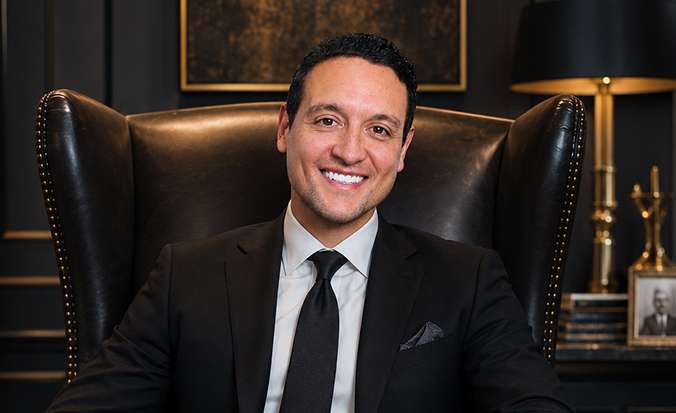
Dr. Shokrian, an experienced plastic surgeon has completed more than 5,000 breast procedures. He approaches every individual with artistic refinement and careful evaluation for beautiful results and smooth recoveries. See the proof in his before and after photos. Patient reviews offer additional context regarding his communication skills, quality of care and patient recovery experience. He has operating privileges at multiple hospitals, including Lenox Hill Hospital, Glen Cove Hospital, Huntington Hospital and Manhattan Eye, Ear & Throat Hospital (MEETH).

Dr. Elfar, a board-certified plastic surgeon, renowned for his surgical proficiency and delivery of aesthetically pleasing results, is a top-rated plastic surgeon. He’s done countless breast reconstructive surgeries during his 34 years in the field of plastic surgery. He’s helped hundreds of women feel confident in their bodies by reducing the size of their breasts so they’re aesthetically pleasing.
Before your breast reduction surgery, you must consult with an experienced surgeon about the procedure, the recovery and your goals. You have to undergo a physical examination, some required lab work and a set of mammograms two weeks prior to your surgery.
Dr. Shokrian adds, “Maintain a healthy lifestyle as you wait for surgery. If you’re active, keep exercising and maintain your weight. If you’re a smoker, avoid smoking for at least four to six weeks prior to the surgery. Smoking impairs your body’s ability to heal after surgery., as nicotine restricts your blood flow, and that affects your healing process while increasing the risks of infections. Besides maintaining a healthy lifestyle, eliminate all medications that thin your blood for at least two weeks before surgery.”
Your consultation at New York Breast Surgery Center takes 45 to 60 minutes. This is where you discuss your aesthetic goals, review your medical history and reveal any symptoms you’re experiencing. Your plastic surgeon examines your breasts, takes photos for your before-and-after record and explains the risks associated with the procedure, as well as what to expect from the recovery period. During a consultation for reduction mammaplasty, expect your doctor to:
“The examination is crucial,” says Dr. Shokrian, “since it helps me determine whether you’re a candidate for a reduction and which surgical approach I should take. We discuss whether you want to combine a breast lift with your reduction, which makes your breasts perkier after the surgery.”
Before leaving the office, the team at New York Breast Surgery Center outlines the cost of your procedure and whether it’s covered by your insurance. You learn about the pre-surgery requirements, and you schedule or confirm a surgery date.
Free Insurance Verification
New York Breast Surgery Center works with many insurance plans on an out-of-network basis. Some of the major insurance plans we commonly work with include:
This is not a complete list. Coverage varies according to each patient’s plan, out-of-network benefits, deductible and medical necessity requirements. Our staff can verify your insurance benefits and explain your estimated financial responsibility before treatment.
Breast reduction surgery is an invasive procedure that takes place in a fully equipped surgical center for your safety. The steps of reduction mammaplasty surgery include:
Your plastic surgeon marks where he’ll make the incisions based on a previous evaluation.
The surgery starts with the anesthesiologist administering general anesthesia or intravenous sedation. That doctor monitors you throughout the surgery.
Once you’re unconscious, your surgeon makes incisions around the nipple-areola complex and then vertically down to your breast crease, forming an anchor-shaped, inverted-T pattern. Then he lifts the breast skin and removes the excess glandular tissue and fat from the lower part of your breast.
After the tissue’s removed, the plastic surgeon reshapes the remaining breast to create a smaller, naturally lifted effect. With extremely large breasts, your surgeon may have to remove your nipple and areola, repositioning them higher on your breast. This technique provides a fuller, uplifted look. You may also receive nipple reconstruction to improve your breast symmetry and appearance.
Once your surgeon has achieved the desired shape, he sutures within the breast tissue to create support for your newly formed breasts. Then he brings together the anchor-shaped cut and closes the incision with stitches. The cuts from the procedure are permanent, though they continue to fade over time to become much more unnoticeable.
You may combine reduction mammaplasty with other procedures, like a breast lift or a lift with implants. This combination reduces the size of your breasts, but keeps them lifted and full because a breast lift gives your breasts a perky look and removes any sagging skin. You may also opt for an areola reduction or even a nipple enlargement. Be aware that each added procedure increases the complexity of the surgery and the length of your recovery.
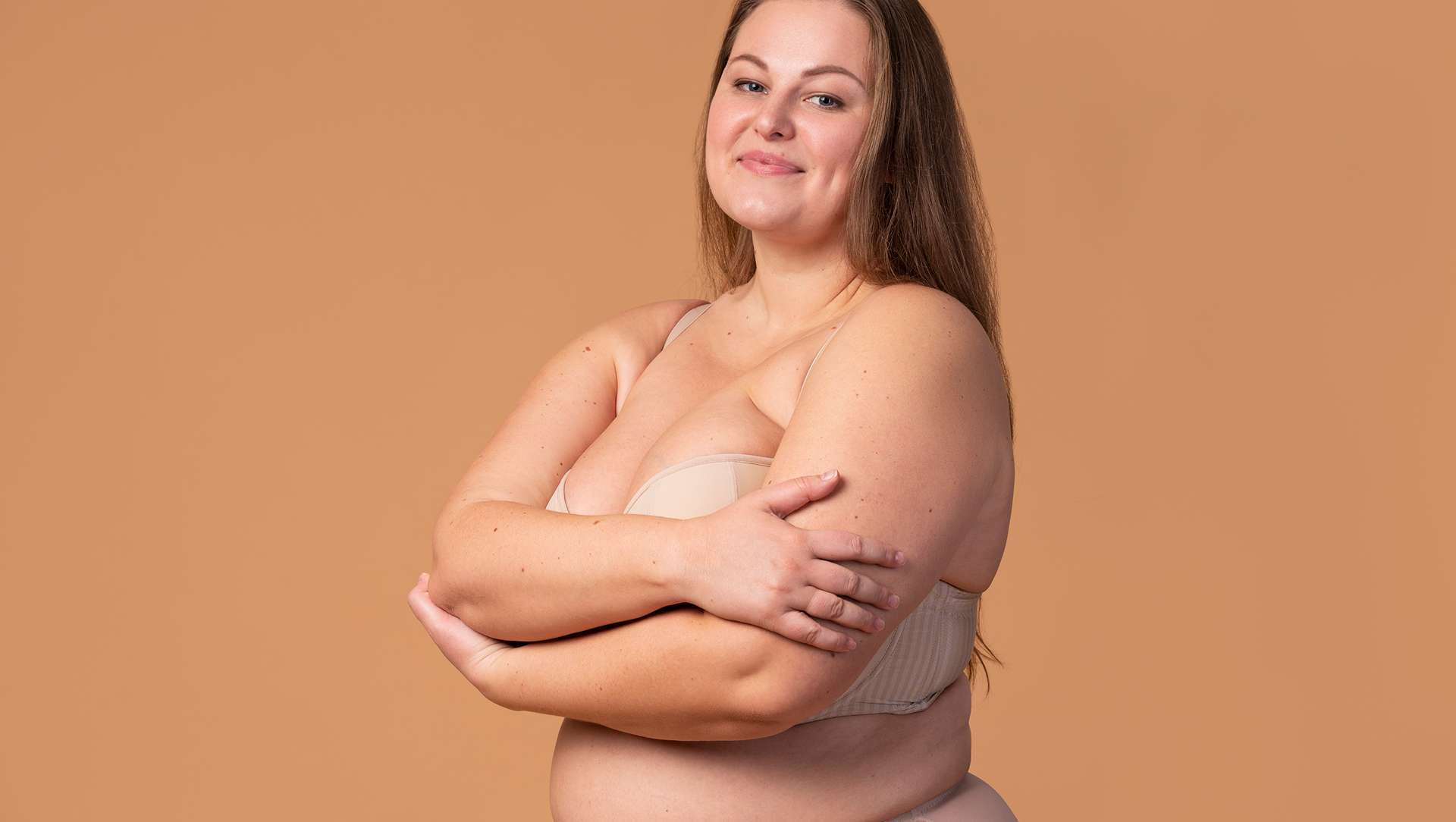
You can expect to be discharged within one to three days. You’re monitored during this time. According to the American Society of Plastic Surgeons, reduction mammaplasty recovery occurs in two phases:
In the first stage, you wake up with dressings, gauze and a surgical support bra. The dressings protect the incisions, reduce swelling and support your new breast size as you heal. During the first week at home, you experience swelling, bruising and moderate soreness or tenderness, but these symptoms gradually improve over the next two to three weeks. You can manage any pain with prescribed medication as needed. Expect to wear the compression bra during this entire phase, unless your surgeon instructs you otherwise.
In the second phase, you can return to your everyday activities. As healing progresses, your surgeon encourages you to do some light walking to promote your circulation, but you still have to wait to do strenuous activity and heavy walking for at least four to six weeks following your surgery. Numbness or altered sensations in your breast is common during this time, but it gradually improves over the course of several months.
Dr. Shokrian: “Your final results develop as your breast shape emerges and establishes itself, typically within three to six months. Your scars continue to fade over six to 12 months after the procedure. By then, you should be accustomed to your new, smaller breasts.”
Reduction mammaplasty is considered safe when performed by a qualified plastic surgeon like Dr. Shokrian or Dr. Elfar. As with any surgical procedure, a breast reduction carries some risks and complications. Most side effects are short-term and minor, especially if you have your surgery at New York Breast Surgery Center. They may include:
Less common risks include redness, bleeding, fever, infection at the incision site and delayed wound healing. Your ability to breastfeed may be affected post-surgery, depending on the surgical technique used and the amount of excess tissue removed. While you can breastfeed after you heal from the surgery, it’s not always guaranteed. Speak to your surgeon before your procedure if you plan on getting pregnant.
Your plastic surgeon uses the most suitable technique for your reduction surgery based on your breast anatomy, the amount of tissue to remove your stated goals. The various types of breast reduction surgery include:
In this reduction mammaplasty procedure, your plastic surgeon leaves a pedicle or flap of skin where he can relocate your nipple-areola complex higher on your breast while preserving its blood flow and nerve supply, before removing the excess tissue. For the inferior pedicle method, the nipple stays attached to the tissue at the bottom of your breast. In the superior pedicle method, the nipple stays attached to the tissue at the top of your breast.
In this procedure, your surgeon removes your nipple-areola complex and then places it in a new, higher position to achieve that uplifted effect.
Your plastic surgeon uses an incision to circle your nipple-areola complex, and then makes a straight cut down the middle of your breast to the crease. The final incision is along the crease, where your breast meets your chest.
To minimize your scarring, your surgeon uses this incision pattern, also called the lollipop incision. For this technique, the plastic surgeon follows the anchor incision pattern, but without the final incision along the crease.
The internal bra technique uses a dissolvable scaffold to support your new breast shape. The GalaFLEX internal bra is an absorbable mesh placed on the bottom of your breast to support lifting. This internal bra pushes sagging skin up, higher on your chest. The internal bra completely dissolves over two years, but during that time, it stimulates your body to form a permanent thick layer of collagen that continues to support your lifted breasts.
A technique developed by Dr. W. Grant Stevens, this technique creates an internal bra from the excess skin that’s removed during the procedure. Instead of using GalaFLEX mesh, this technique uses your own tissue to support healing and prevent sagging.
“All of these procedures at New York Breast Surgery Center are safe, offering natural-looking results and making you feel confident in your own body,” says Dr. Shokrian. “We prioritize your safety and long-term well-being as we help you reach your profile goals.”
If your breasts cause you pain and discomfort because of their size and weight, you’re a good candidate for reduction mammaplasty surgery. The procedure reduces the amount of excess tissue and skin, giving you smaller, uplifted breasts. You’re an ideal candidate for breast reduction if you:
At New York Breast Surgery Center, Dr. Shokrian and Dr. Elfar — both highly sought-after plastic surgeons in New York City — offer a personalized approach and exceptional patient care. They explain the expected outcomes of your reduction surgery and the recovery period. If you’re ready to take the step to a slimmer profile, schedule a consultation for breast reduction surgery at New York Breast Surgery Center in Midtown Manhattan or Great Neck, Long Island today.
New York Breast Surgery Center has an office in Midtown Manhattan and Great Neck, Long Island. Both offices offer in-person and virtual consultations. Virtual works well if you’re coming from out of state and want to meet Dr. Shokrian before you book anything. And by the end of your consultation, you have a full breakdown of the cost and financing options before you commit to anything.
Dr. treats every patient with compassion and empathy. He conducts every procedure with intent and skill. Visit either location for a comfortable, efficient experience. Schedule a consultation with Dr. Shokrian at New York Breast Surgery Center today.
I made an appointment with Dr. Shokrian to discuss breast reduction. I was nervous, but I trusted him and his team unconditionally. He is an incredible surgeon with an excellent bedside manner, and he truly cares about his patients. It has been two months since the surgery and I’m thankful for everything from the bottom of my heart.
Susan FlemingDon’t find the answer? We can help
After the anesthesia wear off, you typically experience some moderate but manageable pain. Tenderness and bruising continue after surgery as you heal.
You don’t have to get a lift, but it’s often included as part of the reduction procedure to help shape your new, smaller breasts.
The recovery process takes six to eight weeks for the initial healing. Expect the final healing phase to take six to 12 months after the surgery.
You’ll notice immediate results in the size of the breast, but the final results appear three to six months following surgery.
If you have a desk-based job, you can return to it one to two weeks after the procedure. If you do more heavy lifting, expect to return to work no sooner than four to six weeks following the procedure.
Yes, some scarring is inevitable, but while the scars won’t disappear completely, your plastic surgeon makes well-concealed incisions within your natural breast contour to minimize the scarring.
It’s possible to breastfeed after surgery, although it depends on the surgical technique used. Tell your surgeon of your desire to breastfeed during your consultation.
A reduction mammaplasty procedure costs between $8,000 and $15,000 without insurance in New York City.
Breast reductions and lifts are often covered by conventional health insurance as a recognized treatment for back pain. While New York Breast Surgery Center is not in-network with any insurance carrier, they help you file, work with your insurance to find out-of-network coverage and offer financing as well.
The results from the surgery are long-lasting and permanent, but your breasts aren’t immune to aging.
The surgery itself takes two to five hours. The average procedure time is three hours, although more complex cases take up to five hours in the operating room.
Your plastic surgeon recommends that you sleep with a bra for six to eight weeks following your surgery. Before going braless, consult with your surgeon.
You can lift your arms over your head one to two weeks following the procedure.
For breast reduction surgery, your breasts must be fully developed, so you may qualify as early as 18 years old.
Although it’s rare, your breasts can continue to grow after the procedure.
No, you cannot get breast reduction mammaplasty while you’re pregnant.
You can get reduction mammaplasty twice if you want to address issues such as asymmetry or pain. If you’re healthy and a year has passed since your first procedure, book a consultation at New York Breast Surgery Center to discuss the next steps.
Yes. The support team at New York Breast Surgery Center can help you find a number of available financing options.
Your reduction mammaplasty surgery is performed in the accredited surgical suite at New York Breast Surgery Center, although they may use the facilities of a nearby hospital.
Facility Safety Note: All surgical procedures are performed at our JCAHO-accredited flagship surgical center in Bryant Park, Manhattan (HCO ID: 676295). Consultations, minimally invasive procedures and pre/post-operative care are available at our Bronx and Great Neck locations.
Medical Content: Content on breastsurgerynyc.com is for informational purposes only and is not medical advice. Use of this site does not establish a doctor-patient relationship.
Results & Imagery: Individual results vary; "Before & After" photos do not guarantee specific outcomes. This site may contain clinical imagery featuring medical nudity for educational purposes.
If you have a medical emergency, call 911 immediately.
